
Crashworthiness in Car Accident Cases
Nashville Injury Lawyer Explains Vehicle Safety Standards
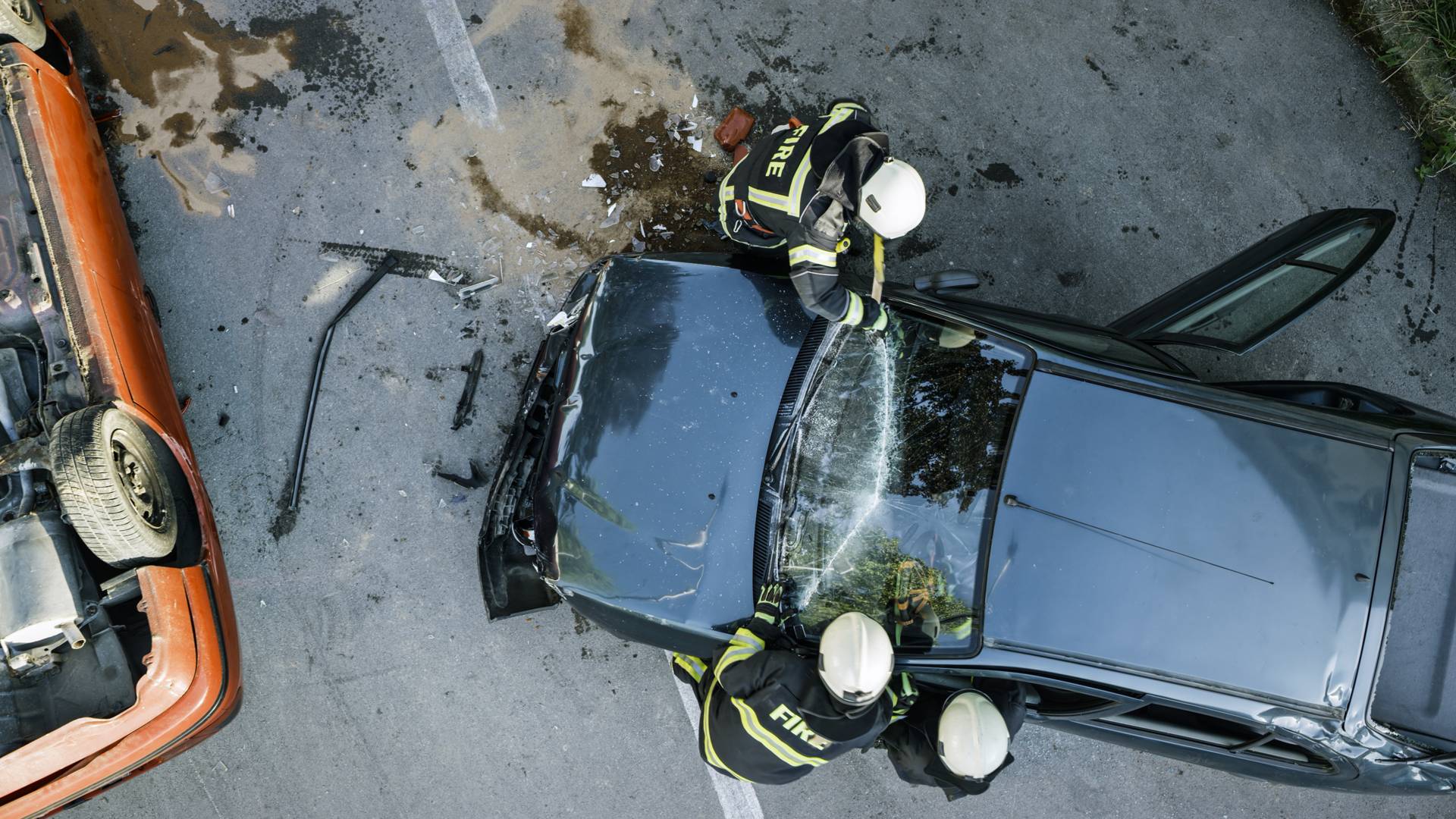
Even though car accidents should never happen, vehicle manufacturers must take into account the fact that they do. A car’s design must be as safe as possible in case of a crash. For this reason, safety measures like airbags and seatbelts are standard safety requirements. A safe design makes a car “crashworthy.” However, when car designers and manufacturers neglect certain precautions and considerations, a passenger may sustain unnecessary injuries during a crash. In these cases, you may be able to file a product liability claim for car defects against the manufacturer responsible.
After a car accident, it is not always clear if defective parts or a flawed design caused your injuries or a loved one’s wrongful death. However, Nashville injury lawyer Stanley A. Davis can investigate your crash and uncover the cause of the damage. If a faulty design contributed to the crash, he can assist you in holding the manufacturer accountable for these defects. In the past, he has helped thousands of car accident victims throughout Tennessee obtain successful verdicts and settlements in personal injury lawsuits.
What is Vehicle Crashworthiness?
In car design, “crashworthiness” refers to how well a vehicle keeps the driver and passengers safe during an accident. A car that is crashworthy will protect occupants from serious personal injuries during an accident, if possible. Features such as front and side airbags, seatbelts and reinforced roofs all contribute to a car’s crashworthiness. In addition, modern vehicle designs include a crumple zone which absorbs much of the force of a potentially deadly crash. Even the design and manufacture of a car’s tires contribute to its safety during a crash. In a crashworthy car, all of these features work together to protect passengers.
However, car defects can reduce a car’s crashworthiness and endanger occupants in the event of a wreck. For example, if an SUV’s design lacks a reinforced roll bar or other safety measure, the roof may collapse in the event of a crash. This can cause serious traumatic brain injuries and wrongful death, even in a relatively low-speed accident. In this case, a design defect results in a vehicle that was not crashworthy.
Who is Responsible for Injuries Caused by Uncrashworthy Vehicles?
Crashworthiness depends on a vehicle’s design and manufacture, so any company involved in the production of the car may be able to blame for injuries caused by a dangerous car. In a product liability case for crashworthiness, possible defendants may include:
- Automobile company. The company that sells the car is almost always liable for injuries caused when a vehicle is not crashworthy, especially when design defects are to blame.
- Manufacturing plant. Even if a vehicle’s design is crashworthy, manufacturing defects can render a vehicle unsafe in an accident. For example, if the manufacturer uses substandard materials to make the roof of an SUV, it may collapse during a rollover accident, regardless of the design.
- Defective parts manufacturer. Many different companies often provide components for a single car. If any of these parts contain defects, you may be able to include the parts manufacturer in your product liability lawsuit. For example, many companies issued recalls for vehicles that contain defective Takata airbags. In a crash, these airbags can cause serious injuries due to manufacturing and design defects. As a result, vehicles that include Takata airbags are not crashworthy.
Personal injury claims involving crashworthiness are different from other product defect cases, which typically involve car defects that cause accidents. However, in crashworthiness claims, the cause of the crash generally does not matter. Instead, you may hold car companies accountable for excessive injuries that resulted from any wreck.
Hurt by Car Defects? Get a Free Review with Our Nashville Injury Lawyer
Car companies are responsible for creating vehicles that are safe not only when driving but also in the event of a crash. If you or a loved one suffers additional, preventable injuries during a car accident due to auto defects, you may be entitled to compensation through a product liability lawsuit.
Crashworthiness cases are often complex and difficult to prove. However, car accident attorney Stan Davis has experience investigating claims involving car defects throughout Tennessee. He will listen to your story, and can explain whether you may have a product liability case.
Contact Attorney Stan Davis online or call our Nashville office for a free initial consultation.
Your Success Is Our Success
Real Injuries. Real Recoveries.
-
$240,228 Verdict Soft-Tissue Injuries
Our Nashville truck accident lawyer gained a jury verdict for a truck accident that caused soft tissue injuries. The amount was reduced by 27 percent, which accounts for the victim’s comparative fault.
-
$339,163 Verdict Rear-End Collision
A radiology technician was traveling on Charlotte Avenue in Nashville, Tennessee and while stopped in traffic he was rear-ended by the Defendant. It was a moderate impact and his vehicle sustained a significant amount of bumper damage.
-
$300,000 Recovered Dog Bite
This 25-year-old young woman was a guest at the home of Defendants who owned a Lab/Corgi mix dog. Unknown to Plaintiff, the Defendants had previously admitted that the dog did not like people and they had to muzzle him when he goes out.
-
$170,000 Settlement Truck Accident
This truck accident occurred when another truck driver hit a parked trucker who was sleeping in his sleeper cab. The trucker incurred injuries that required extensive pain management and physical therapy.
-
$250,000 Settlement Back Injury
A young woman in her 30s was injured when she was rear-ended by a Defendant driver. Liability was clear in this case. Plaintiff had conservative treatment for a short period of time and was unable to continue care because of the lack of funds and insurance coverage.
-
$1.0 Million Settlement Drunk Driving Accident
A middle-aged female was rear-ended by a drunk driver in an automobile crash on a rural road in Rutherford County, Tennessee, and suffered aggravation of preexisting spinal conditions.